Across Africa, women sustain dialogue, protect communities, and rebuild trust in ways that formal peace processes often overlook. Recognising and resourcing this work is not simply a matter of representation; it is essential to building peace that communities can trust and sustain.
When conflict is discussed, women are often introduced through the language of suffering: the displaced, widows, survivors, and mothers protecting children. These realities are grave and must never be minimised. Yet when this is the only story told, it produces an incomplete analysis. Women do not merely endure conflict. They interpret warning signs, negotiate access, prevent retaliation, organise relief, preserve social ties, and create openings for dialogue. This distinction matters because the way we define women determines the roles we make available to them. If institutions see women only as beneficiaries of protection, they design programmes for them. If they recognise women as political actors and peacebuilders, they are more likely to include women throughout the process of ending conflict and maintaining peace.
Representation is not the whole story, but persistent exclusion signals a deeper failure: formal processes continue to overlook people who often possess the strongest local knowledge, the widest community relationships, and the greatest stake in ending violence.
Unseen Infrastructure of Peace
Peace negotiations are usually imagined as formal talks involving political leaders, armed actors, and international mediators. But long before a communiqué is issued, peace is discussed in homes, markets, health centres, places of worship and displacement sites. Women often persuade their families not to seek revenge. They negotiate safe passage for civilians, help children return to school, identify rumours before they become violence, and maintain contact across divided communities.
These contributions are sometimes dismissed as informal because they occur outside official conference rooms. That is precisely their strength. Local women are often "insider mediators" — close enough to understand the history, language, and fears surrounding a conflict, yet connected across social lines. Their legitimacy may come not from an appointment letter but from years of service and trust.
This does not mean that women are naturally peaceful or that every woman represents all women. Women have different political views, identities and interests just as men do. The argument for the inclusion of women is not based on moral purity. It is based on citizenship, rights, competence, and the practical value of the input of broader knowledge in resolving complex conflicts.
Lessons from Cameroon
Cameroon's experience illustrates both the power of women's peacebuilding and the cost of keeping it at the margins. The crisis in the predominantly English-speaking North-West and South-West regions has disrupted families, education, livelihoods, and community relations. Women and girls in those parts of Cameron have faced displacement, insecurity, and gender-based violence. At the same time, the women in those parts of Cameroon have organised across communities to demand dialogue, support survivors, and keep channels of communication open.
Cameroon has been under the repressive dictatorship of President Paul Biya since 1982. Allegations of voter fraud were rampant when he won an 8th term in 2025. Human Rights Watch and other international monitors condemned the violent crackdown on protesters in which at least 48 people were killed.
Biya, 93, returned to Cameroon on Aug. 20 after being out of the country for two months, leading to speculation about his health and control of the levers of power.
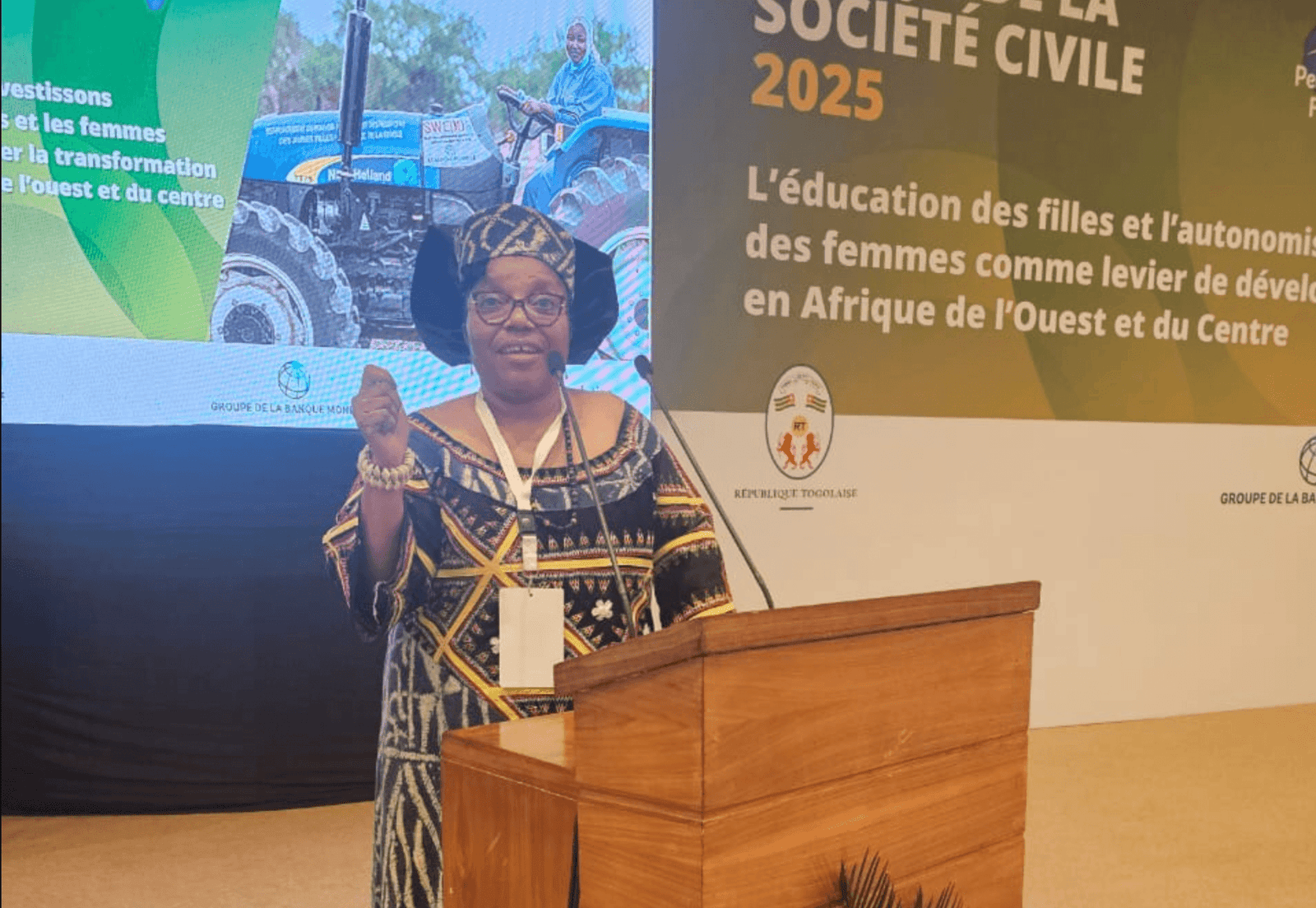
Through my work with Reach Out Cameroon and women-led peace networks, I have seen women enter spaces where formal actors have limited access. Community women mediators have often listened to the displaced families, traditional authorities, young people, and other community members. They have been able to identify tensions early, refer survivors to services, calm disputes, and create small but vital opportunities for trust. These interventions rarely make headlines, but they can prevent a local grievance from becoming another cycle of violence.
Women have also acted collectively. The South West North West Women's Task Force {SNWOT} brought together women peacebuilders and human-rights defenders around a narrative centred on humanity rather than competing militarised positions. In July 2021, the first National Women's Convention for Peace convened women in Yaoundé from Cameroon's 10 regions and different sectors around a shared call for peace. Such platforms demonstrate that women can move from community-level action to national advocacy without abandoning their local roots.
One lesson is especially clear: Humanitarian action and peacebuilding cannot be separated. A woman seeking food, health care, protection or a livelihood is also navigating questions of power, dignity, and belonging. When assistance is delivered through trusted women-led structures, it can do more than meet immediate needs. It can reconnect divided groups, restore confidence, and create conditions for dialogue. Conversely, a peace process that ignores hunger, trauma, and economic survival will struggle to gain legitimacy.
From presence to influence
Inviting women into a room is not the same as giving them influence. Meaningful participation requires access to information, the ability to shape the agenda, resources to consult constituencies, and protection from reprisals. It also requires diversity. A few highly visible women without the needed backgrounds cannot substitute for the perspectives of rural women, displaced women, women with disabilities, young women, and women from communities directly affected by violence.
Cameroon adopted its first National Action Plan for implementing Resolution 1325 in November 2017, covering the period 2018-2020. That policy framework was important. The continuing task is to translate national commitments into local results focusing on whether women mediators receive sustained support; whether their early-warning information reaches decision makers; whether women are included in formal dialogue and recovery structures; and whether participation produces decisions that communities can see and trust.
Four priorities follow from these lessons.
First, connect local mediation to formal decision making. Governments, regional bodies and international partners should establish clear channels through which community women mediators can contribute analysis, proposals, and feedback to official processes.
Second, fund women-led peacebuilding directly and flexibly. Short project cycles cannot sustain relationships built over years. Core funding should cover mediation, security, transport, psychosocial care, documentation, and organisational capacity — the less visible foundations of effective peace work.
Third, protect women peacebuilders. Visibility can expose women to intimidation, online attacks, and physical danger. Protection protocols, legal support, and rapid-response mechanisms must be built into participation, not added after threats occur.
Fourth, measure influence rather than attendance. Success is not the number of women photographed at a meeting. It is whether their priorities enter agreements, budgets, security arrangements and recovery plans — and whether institutions are accountable for implementing them.
Changing the lens
Moving beyond the image of women as victims does not deny their suffering. It refuses to let suffering erase agency. In Cameroon and across Africa, women are already mediating, organising, and rebuilding. The central question is whether peace institutions will continue to treat this work as peripheral or recognise it as a significant part of the continent's essential peace infrastructure.
Peace does not begin only when powerful actors sit at a negotiating table. It begins wherever people choose dialogue over retaliation, dignity over dehumanisation, and collective survival over division. Women are already making those choices every day.
Africa's peace processes must do more than invite them in. They must make room for their knowledge, resource their leadership, and share power with them.