In parts of Yemen where state institutions have collapsed, tribal mediation has become a critical tool for resolving disputes. Now, a woman is stepping into this role, challenging norms, working to prevent violence and protecting vulnerable communities.
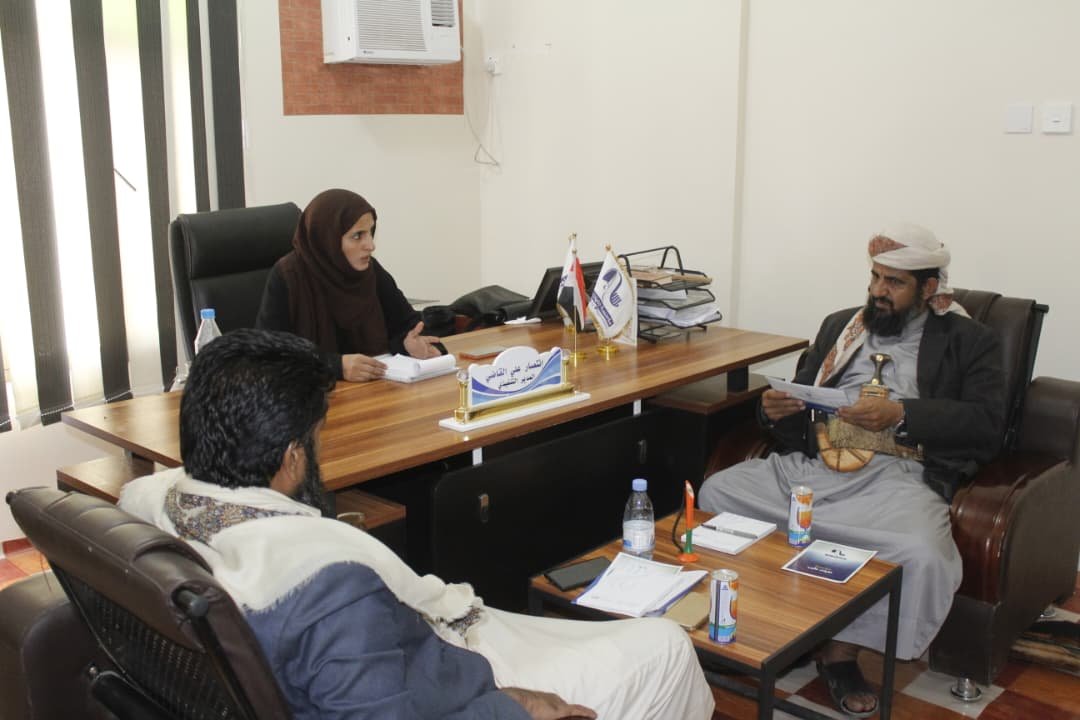
In a culture where settling tribal disputes is traditionally considered a male role, Entesar Al-Qadhi stands out as a Yemeni woman mediator.
Trained in peacebuilding, she plays a vital role in resolving local disputes across Yemen. For her, achieving peace is more than her life’s work; it is a matter of survival as a country. As she put it, “Peace is a daily necessity for life, not just a matter of negotiation.”
As a fresh face in tribal peacemaking, her participation and modern approach have led to successful negotiations. “Women participation in peace processes drive more realistic and sustainable solutions, focused on de-escalation and protecting the community,” Al-Qadhi told Atlas Broadcasting.
She added that “my ability to combine traditional customs with modern approaches allowed me to offer more balanced and effective solutions, especially through dialogue, active listening, and building trust with all parties involved.”
Tribal sheikhs typically hold arbitration sessions called taḥkīm to settle disputes, but activists and others have sometimes intervened, according to the Middle East Council on Global Affairs.
“Yemeni women have also played a discreet but influential role, leveraging their ‘protected’ status within tribal society to facilitate negotiations,” council researchers wrote in an issue brief last year.
These local mediators play a role outside the court system or formal negotiations, according to the council. In the current conflict between the internationally recognized Yemeni government and the Houthi group,“local mediators intervened to coordinate exchanges of prisoners and bodies,” the researchers wrote.”
Early Upbringing and Training
As the daughter of a tribal sheikh, Al-Qadhi was raised in a family rooted in the tribal system. Her early upbringing exposed her to tribal norms and customs. It also paved the way for acceptance in her current role as a mediator.
“Such exposure shapes my understanding of dispute resolution. This early background gave me firsthand insight into how conflicts arise and are managed within the community,” Al-Qadhi said. “My father’s social standing played a role in facilitating my entry into this field, as it gave me an initial level of acceptance and trust.
Her interest in dispute resolution was evident even as a youth.
According to the NGO Working Group on Women, Peace and Security, Al-Qadhi was appointed as an independent youth representative to the National Dialogue Conference in 2013, during which she took part in drafting Yemen’s new constitution. In addition, the group noted, she established an initiative called Peacemakers to end the recruitment of child soldiers and enhance the role of political parties in local conflict resolution.
Upon completing her studies, Al-Qadhi participated in a number of training programs in dispute resolution and peacebuilding with the National Democratic Institute and Partners Yemen.
“I began applying these skills within my local community, contributing to the resolution of various disputes. One notable case involved a conflict that led to the suspension of a road paving project. Through mediation, I was able to help resolve the issue amicably, allowing the project to resume and be completed.”
She said that experience “marked an important turning point in my journey, as I transitioned from addressing family disputes to engaging in broader community-level issues.”
Al- Qadhi was determined to find peaceful solutions to these wide-ranging issues, which can sometimes escalate to violence if left unresolved.
Wading Into a Dispute Over Well Water
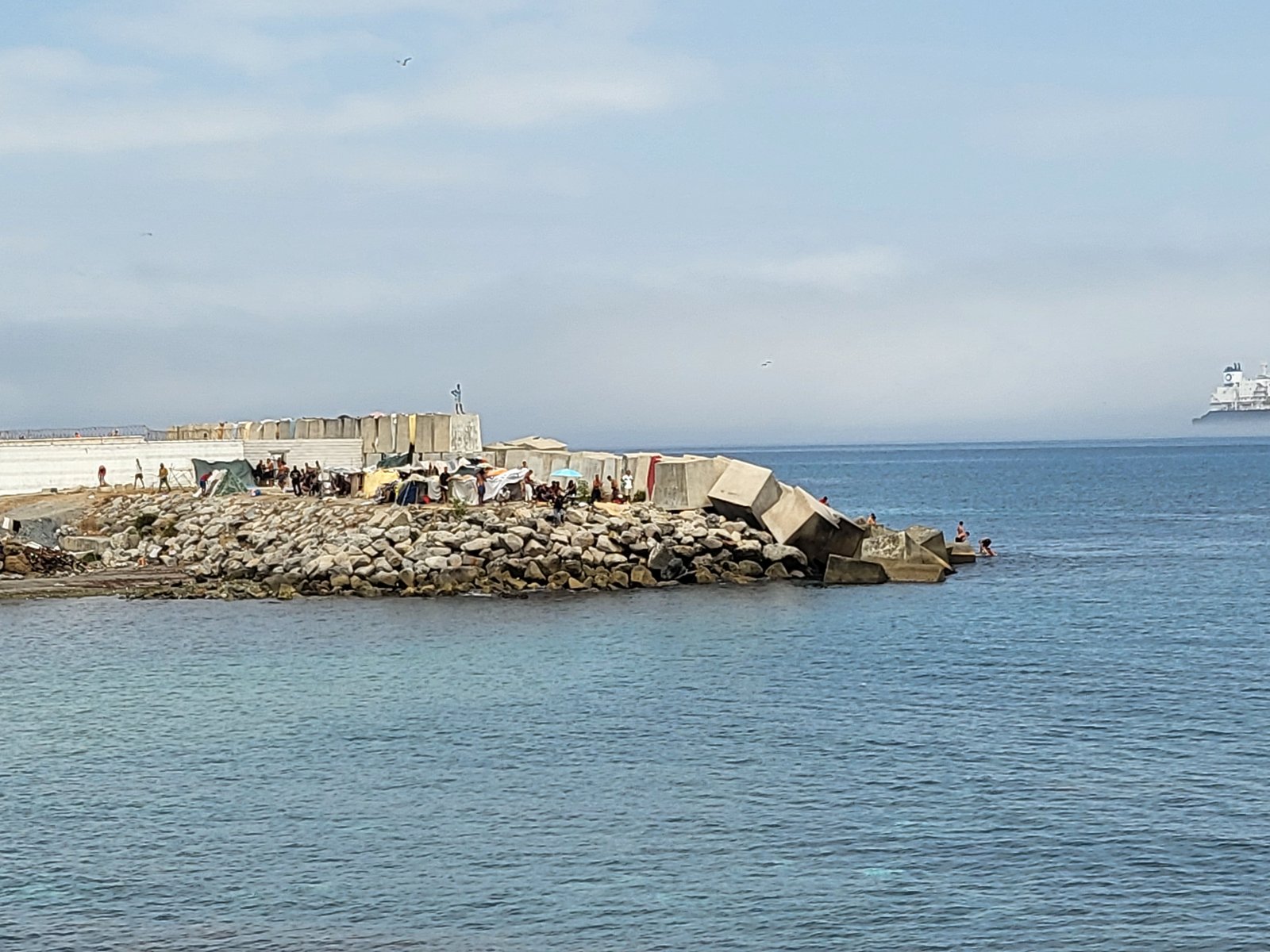
Al-Qadhi helped resolve a serious dispute between residents of the Al-Ma’ashir IDP camp and a landowner over a water well, which had escalated into gunfire and threats to evacuate nearly 350 families. By listening to all sides, securing a temporary truce, and engaging directly with the landowner, Al-Qadhi was able to de-escalate tensions and prevent the displacement of the camp residents.
She then worked with all parties to address the root causes such as ensuring the continuation of the water project, supporting the selection of a new camp leader, and forming a community committee to manage the well. Through neutrality, transparency, and consistent communication, Al-Qadhi said she reached a fair and sustainable agreement.
“Active listening, neutrality, and trust-building were key to de-escalating the conflict,” she said. “A fair, community-based solution ensured continued access to water and prevented further displacement.”
Hope and Challenges for Women in Peacebuilding
Today, Al-Qadhi leads a nonprofit organization that hosts peace workshops and provides grants to displaced women who want to start small businesses.
She said her work as the executive director of the Marib Girls Foundation has strengthened her community presence, helped her build wider networks and enhanced her effectiveness as a mediator.
Despite her success, Al-Qadhi admits she has faced many challenges, including societal views that limit women’s roles in the male-dominated field of mediation. Security risks, difficulties accessing parties, and the weakening state protection also add to these challenges.
Yet, tribal customs sometimes give women special status and help build trust.
“I maintain neutrality by giving equal space to all parties to express themselves, focusing on the core issue rather than personal positions, and committing to transparency and trust without taking sides,” Al-Qadhi said.