Women and girls are facing growing violence and trauma, making urgent global action essential to provide the care and support they need to heal and rebuild their lives.
Sexual violence against women and girls is escalating amid Sudan’s conflict, even as funding has decreased for the organizations that support survivors. Women-led organizations are on the front lines of this crisis, but the United Nations wants to see these groups better funded and included in peace talks as well.
The current civil war in Sudan has erupted into a de facto “war on women,” with reports of widespread sexual violence, the United Nations recently reported.
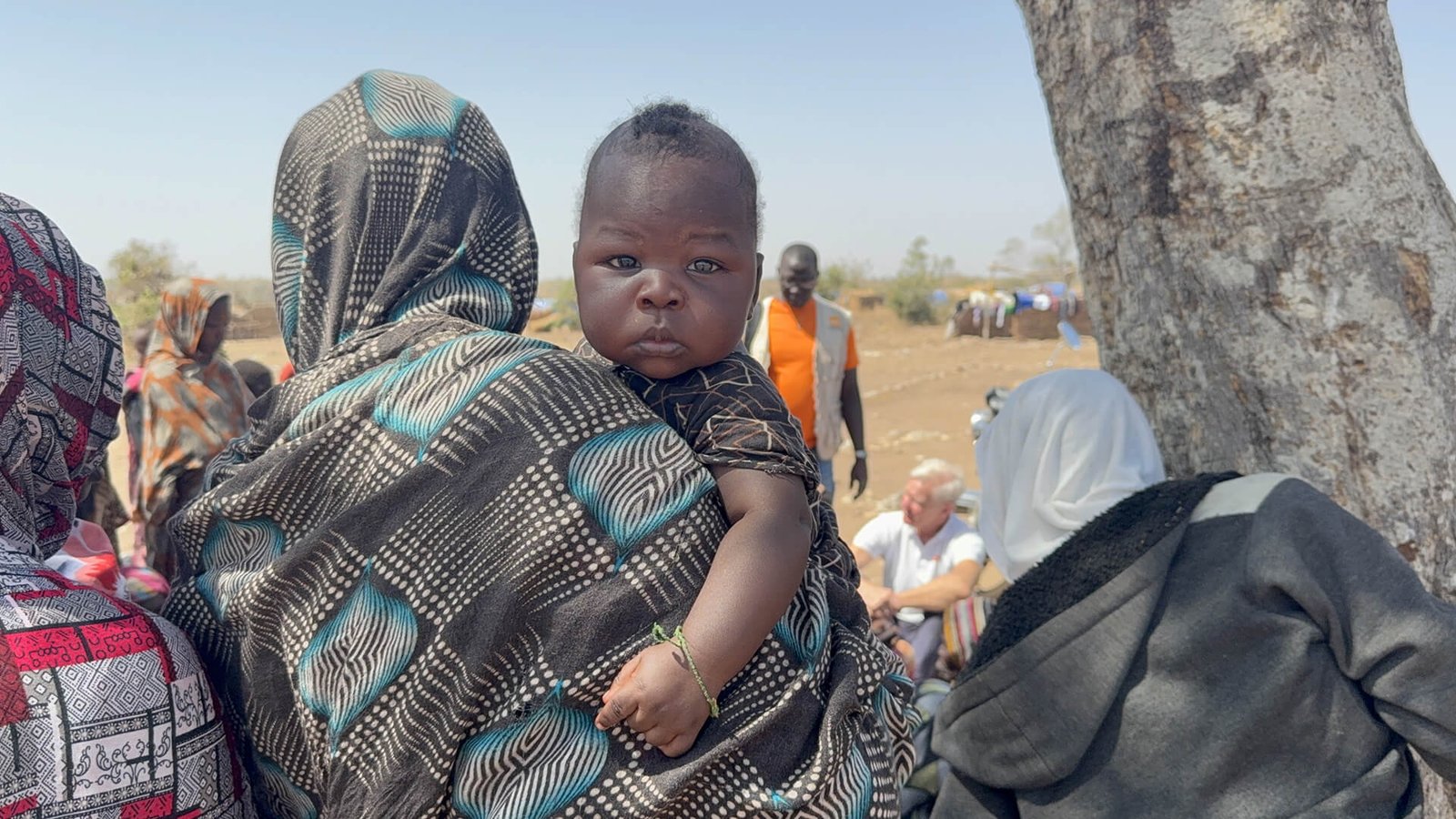
Many women-led organizations are on the ground in places where survivors have fled to, offering support and keen insights into this humanitarian crisis.
“In recent months, women have reported horrifying accounts of systematic sexual violence along exit routes from El-Fasher, and similar concerns have been raised in Kardofan and Blue Nile regions,” according to the April report by UN Women.
The report is based on information from nearly 100 organizations working with Sudanese women. As the war enters its fourth year, these groups say they have seen a growing number of cases of sexual and gender-based violence.
The response to the crisis could be improved, the UN said, by including women in peace negotiations, integrating women’s services and funding women-focused human rights groups. Yet, many of the organizations surveyed say their funding was cut at a critical time last year by international partners.
“Between stigma that prevents reporting and funding cuts that close support centers, survivors of sexual violence are left without justice or care,” said Hussein Harran, co-founder of Sudan Action Hub, a Washington, D.C.–based organization advocating for awareness and policy action on Sudan.
He told Atlas Broadcasting that “international funding has significantly declined following the suspension of U.S. aid, leading in some cases to the shutdown of national organizations entirely.”
While funding has dwindled, the needs of survivors are often long-lasting.
The biggest misconception is viewing sexual violence as a temporary "side effect" of war, said Somaia Musa, a women's rights defender and a human rights activist in Sudan.
“I wish people understood that survivors urgently need continuous psychological support and specialized mental health care,” Musa told Atlas Broadcasting. “The assault might end in a moment, but the psychological scars require long-term intervention to overcome trauma and social stigma.”
She added, “Without sustained mental health resources, the healing process remains incomplete.” Musa, a member of the Pads Needed, Dignity Seeded initiative and the Darfur Civil Society Platform, explained that many Sudanese women who suffered sexual violence are also the only “providers and protectors” left in their family.
“I once encountered a survivor who fled on foot for days to escape the fighting,” Musa said. “What stayed with me wasn't just the trauma she endured, but her immense resilience in protecting her children amidst total collapse. Her story reveals that Sudanese women are targets of violence, yet they remain the primary providers and protectors for their families in an environment lacking all basic security.”
In Sudan, an estimated 12.1 million women and girls -- and increasingly men and boys -- are at risk of sexual violence, Catherine Russell, told the UN Security Council last year. That number represents an 80% increase from the previous year, said Russell, who heads the UN Children’s Fund known as UNICEF.
Complicating the problem, Sudan has a shortage of trained personnel for sexual violence survivors. The situation is further aggravated by the inadequate training of police, prosecutors, and judges in dealing with survivors.
“A shortage of qualified and trained personnel, along with the collapse of most service centers, has left survivors without adequate access to protection and support,” Harran said.
While local governments and authorities play a key role in enacting laws and training judicial system staff, he also emphasized the importance of engaging international non-governmental organizations, or NGOs, and strengthening regional protections for women’s rights.
In addition, he called for establishing psychological centers, medical units, and therapy centers for victims to help them cope and reintegrate into society, as well as inviting the International Criminal Court to intervene in conflict zones such as Darfur to prosecute crimes of sexual violence.
“To overcome this, it is essential to raise community awareness, enforce strict laws that hold accountable anyone who abuses or stigmatizes survivors, and establish specialized centers to provide psychological support and facilitate survivors’ reintegration into society,” Harran said.