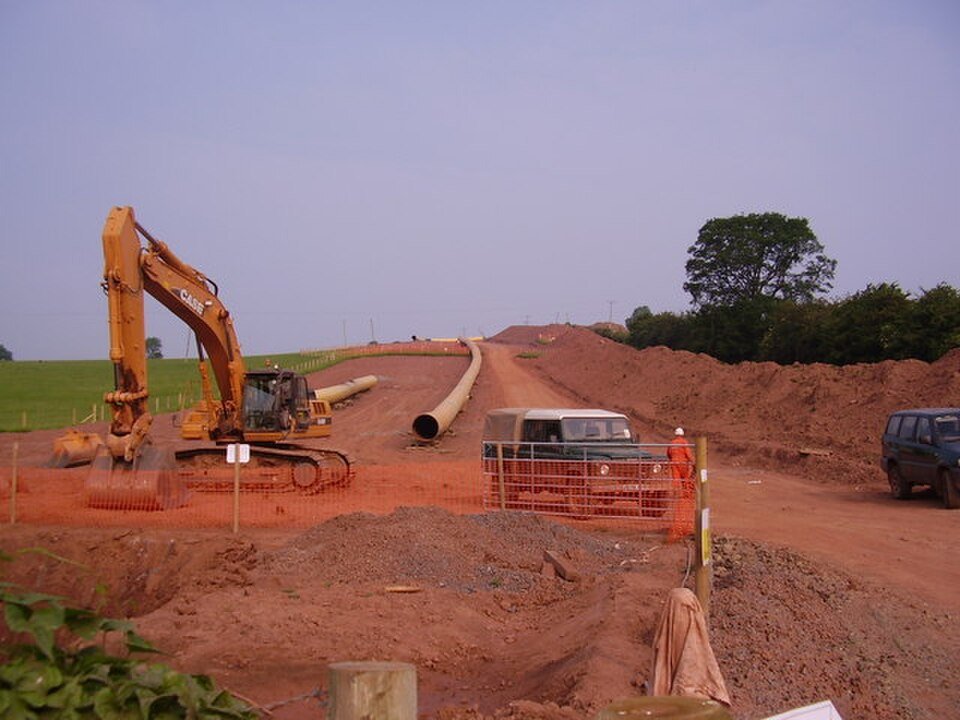
The Atlantic African Gas Pipeline (AAGP) project is touted as one of the most ambitious energy projects in West Africa because of its regional scale and global economic significance. The 6,900-kilometer pipeline is planned to cross 13 West African countries with a capacity of 30 billion cubic meters per year.
The new Morocco–Nigeria pipeline highlights the importance of economic growth and can serve as an example of conflict resolution through economic cooperation. By strengthening trust and understanding among states, the project has the potential to contribute to regional stability, create jobs, and attract international investment. Focusing on economic cooperation between Morocco and Nigeria also presents opportunities to help stabilize the West African region.
Morocco–Nigeria Economic Cooperation
The Moroccan National Office of Hydrocarbons and Mines (ONHYM) describes the Atlantic African Gas Pipeline (AAGP) project as one of the most ambitious energy projects in Africa because of its regional scale and global economic significance. At present, the work is focused on making a Final Investment Decision (FID) for a gas pipeline construction of around USD $25 billion. The Washington meetings come as the AAGP moves into a more advanced stage. The 6,900-kilometer pipeline is planned to cross 13 West African countries with a capacity of 30 billion cubic meters per year, thus boosting energy supplies to nearly 350 million inhabitants across Africa. The project will be developed in phases through a company jointly created by ONHYM and Nigeria’s NNPC. One of the first phases will include carrying gas from Nigeria to Morocco and then on to gas fields in other areas of West Africa such as Mauritania, Senegal, Ghana and Cote d’Ivoire.
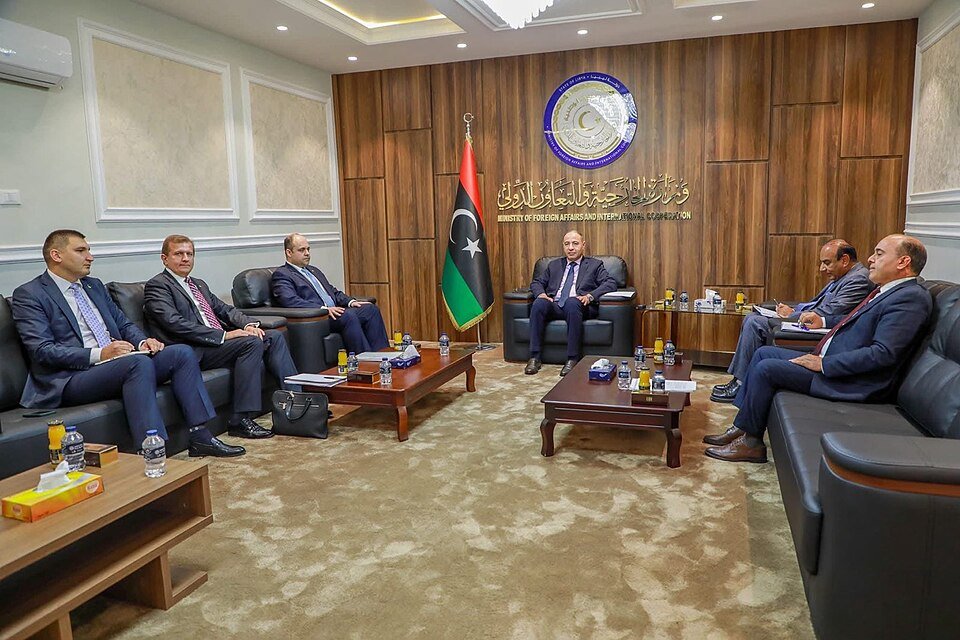
The Nigeria-Morocco Atlantic African Gas Pipeline project increases both Morocco’s and Nigeria’s roles in the energy and critical minerals sectors on the African continent. The most recent discussions held between the Moroccan National Office of Hydrocarbons and Mines (ONHYM) and Morocco’s ambassador to the United States Youssef Amrani, and Acting U.S. Assistant Secretary of Energy Tommy Joyce, revolved around the status of the Atlantic African Gas Pipeline (AAGP), also known as the Morocco-Nigeria gas pipeline, that will link Morocco to Nigeria’s vast natural gas resources.
Outside of the U.S. government, a variety of international actors have increasingly showed interest in the Morocco-Nigeria gas pipeline corridor project. The UAE government, the European Investment Bank, the Islamic Development Bank, and the OPEC Fund have all agreed to provide financing toward the development and construction of the gas pipeline.
Strait of Hormuz and food security crisis in West Africa
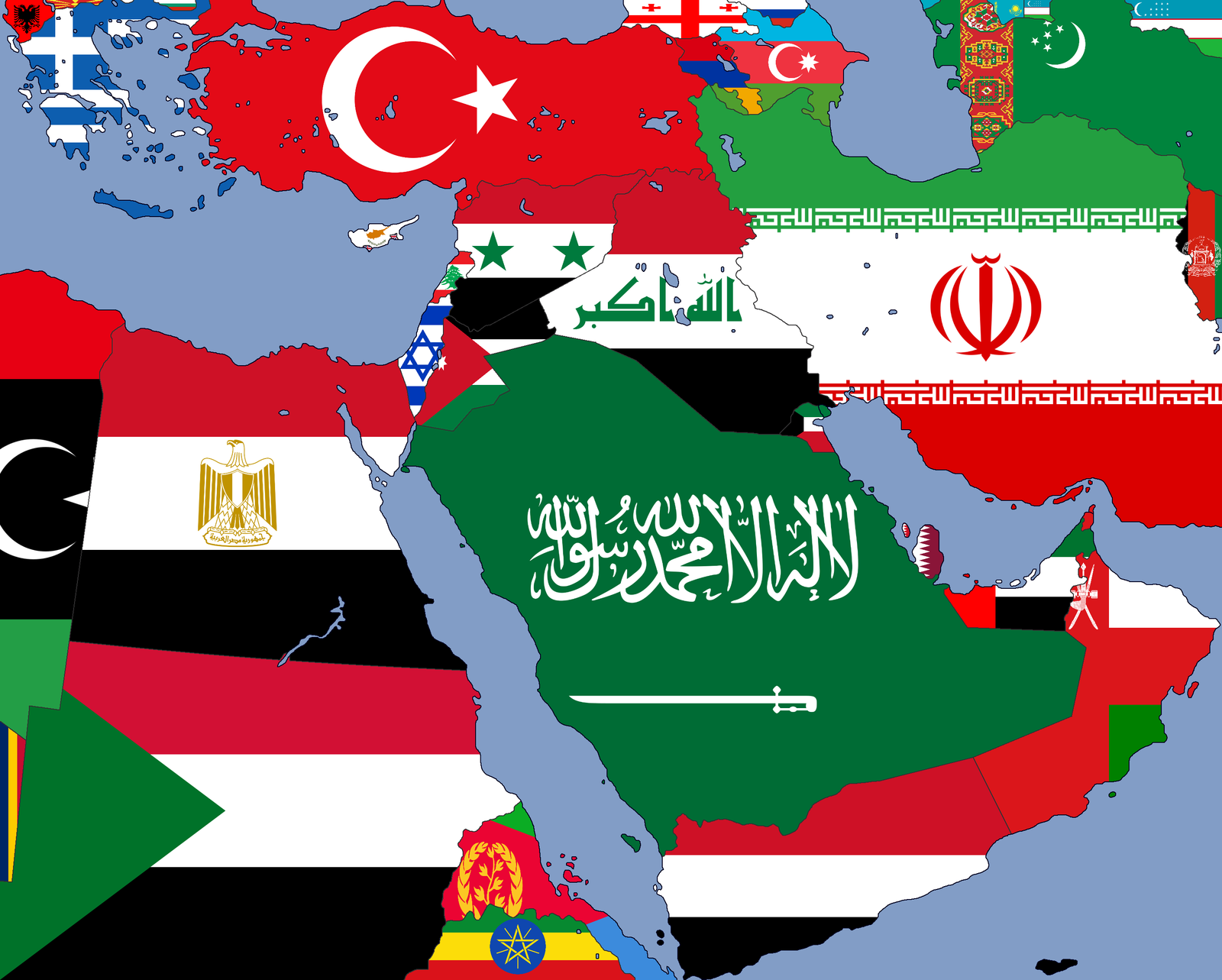
The Strait of Hormuz crisis in the Persian Gulf revealed to the world that it is a key international waterway for around one-third of the world’s fertilizer supplies. Iran, Saudi Arabia, and Qatar are all fertilizer producers. This is not just about shipping lanes in the Strait of Hormuz, since fertilizers are needed to prevent food insecurity on the African continent. The issues of fertilizer procurement and food production is particularly pressing in West African countries where farming is prevalent, and thus the link between domestic conflicts and food security is immediate across the entire African continent, but most concentrated in the West African and Sahel regions.
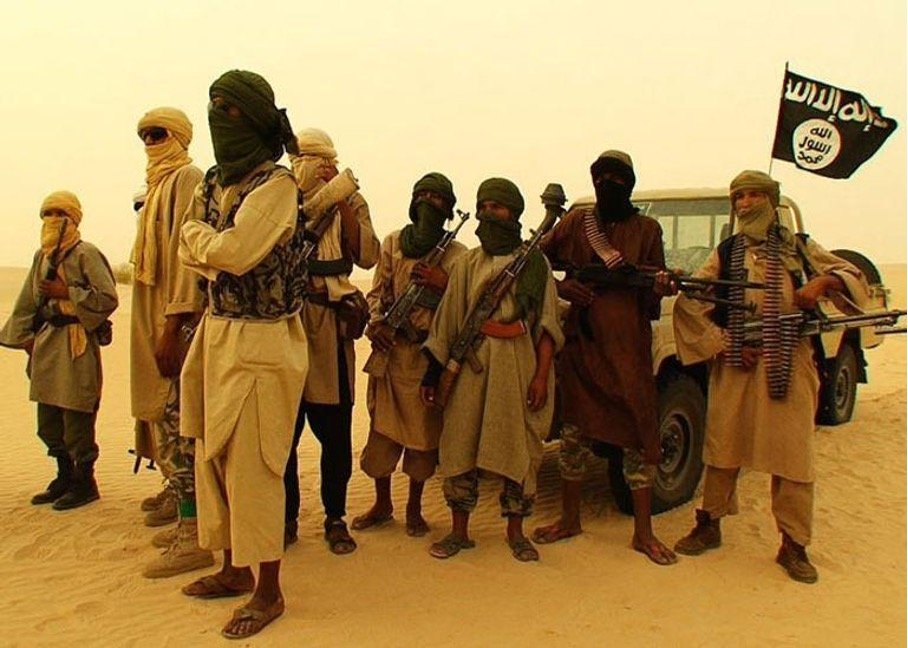
With food insecurity on the rise, military-inspired coups have brought about a renewed focus on defeating Islamic insurgencies in Mali, Burkina Faso, and Niger. Those three countries formed the Alliance of Sahel States (AES) (Source: https://africacenter.org/spotlight/2026a-mig-widening-militant-islamist-threat/).
Nigeria also must deal with a rise in Islamic insurgencies, notably the armed insurgency known as Boko Haram—an armed rebel group that threatens to spread insurgent activities throughout the West African region. On 12 May 2026, it was reported by international human rights group Amnesty International that at least 100 civilians were killed during an airstrike by the Nigerian military on a local market in Zamfara State (Source: DW, https://www.dw.com/en/nigeria-airstrike-kills-100-at-market-amnesty-says/a-77135993).
African countries like Morocco and Nigeria have the natural resources required to make their own fertilizer, which have raised questions over sovereignty and food insecurity during the ongoing domestic conflicts in the Sahel. Morocco’s OCP Group is launching a strategy to supply Africa with phosphate fertilizers, one of the other fertilizer sources, in addition to nitrogen fertilizers. Nigeria’s Aliko Dangote – the African continent’s wealthiest man – is pouring US$40 billion into an energy and fertilizer strategy that plans to quadruple urea fertilizer output in Nigeria. Mr. Dangote will use Nigeria’s ample natural gas reserves to accomplish this goal.
Alexis Maxwell, Bloomberg Intelligence Senior Agricultural Analyst, noted in an interview with Bloomberg Television that “much of the export-oriented fertilizers in Africa are in places like Morocco and Nigeria.” (Source: “Iran War Drives Africa’s Fertilizer Crisis” Bloomberg Television, https://www.youtube.com/watch?v=HJ92xopVi0E)
This means that a much-needed shift, from export-oriented to domestic supply chains, must occur throughout regions of Africa. The question of whether the nascent Morocco-Nigeria gas pipeline corridor project will benefit West African food production and security in the Sahel is uncertain at this time. Global investors have their own interests in securing gas supplies from Nigeria and other critical minerals, such as Morocco’s phosphate resources, to produce food outside of the African market using fertilizer inputs from Africa’s lucrative natural resource sectors.
Conclusion
In conclusion, the food security problem throughout the African continent is relevant to ongoing conflicts and regional security concerns in the West African region. The series of geopolitical crises over the past five years—most recently exemplified by the war between the U.S. and Iran—has heightened fears of food insecurity among countries that rely on the global fertilizer trade to support their agricultural production.
This is why economic cooperation between Morocco and Nigeria should begin by addressing food insecurity issues to prevent domestic conflicts in the Sahel from spilling over into the West African region. Economic cooperation between Morocco and Nigeria can attract international investment and create mutual interests between states, both of which are important elements of conflict resolution and regional stability. However, it is more important for new economic investments to show results in improving infrastructure for food and fertilizer security across the West African region.
On this key point, Beverly Ochieng, Senior Analyst of Francophone Africa Affairs at Control Risks, spoke on the issues of regional interconnectivity in West Africa and the Sahel regions: “Potential disruptions to general supply chains on the Senegal-Mali border, between Benin and Niger, and the north-western part of Nigeria, remain major areas of importance due to access of port and airport infrastructure connecting the region.”
The Nigeria-Morocco gas pipeline should thus develop economic and security partnerships between African countries that reduce tensions in the Sahel and encourage long-term cooperation to ensure food security across West Africa. The gas pipeline corridor is an invaluable and essential opportunity to fix the long-term security problems during the rise of extremism and food insecurity in West Africa. It also has the potential to be a gamechanger for African food and fertilizer security by giving more West African countries access to gas supplies through intra-regional trade networks. This, in turn, will decrease West Africa’s exposure to food and fertilizer price shocks in the long term.