Militant attacks from Afghanistan, border fighting, and Pakistani airstrikes in Afghanistan put lives and livelihoods at risk. Deaths, injuries, displacement, and damage to homes and public facilities deepen suffering and resentment. Closed borders disrupt trade, separate families, and restrict access to essential services. Each escalation makes reconciliation harder and threatens regional stability. Pakistan’s military has warned that the Taliban could not withstand its response, underscoring the danger of further escalation.
Pakistan army hits back hard as Afghan Taliban open fire at Angoor Adda border on Oct. 27, once again exposing a fragile and dangerous situation. Pakistan and Afghanistan offered conflicting accounts, each blaming the other for the clash. When both sides claim retaliation and no trusted joint investigation process exists, a border clash can spark a wider confrontation.
Disagreement reaches Moscow
At the eighth Moscow Format meeting in October, the two countries could not agree even on a joint statement.
Russian presidential representative Zamir Kabulov said the Afghan delegation objected to a clause on terrorism and Afghanistan’s responsibilities toward its neighbours, although similar wording appeared in the previous year’s statement.
Islamabad says that militants operate from Afghanistan with India’s connivance and demands action against them. Kabul rejects the allegations and objects to being portrayed as a source of terrorism.
Older grievances, renewed fighting
This February marked a major escalation. Qatar and Turkey had already mediated a ceasefire in October 2025.
On Feb. 21–22, Pakistan launched airstrikes, saying it targeted militant camps following attacks inside Pakistan. Afghan authorities condemned the operations.
On Feb. 26, Pakistan again blamed Afghan forces for launching unprovoked cross-border attacks and carried out airstrikes in Kabul, Kandahar, and Paktia.
Pakistan calls its actions self-defence. Afghanistan considers them violations of sovereignty.
Older border grievances complicate matters. Afghanistan has long challenged the status of the Durand Line, which was created in 1893 to separate then British-controlled India from Afghanistan. Pakistan considers it its international boundary. Fencing, checkpoints, and movement therefore involve identity and sovereignty as much as security.
From high hopes to deep mistrust
Pakistan welcomed the Afghan Taliban’s return to power in 2021, expecting cooperation, but increased militant attacks undermined those hopes.
UN human-rights experts confirmed that the militant group Tehreek-e-Taliban Pakistan (TTP) attacks in Pakistan had risen sharply since 2021. Pakistani authorities have also presented evidence to the media linking people killed or arrested in connection with terrorist activities to Afghanistan.
TTP operating from Afghanistan is central to the disagreement. It is separate from Afghanistan’s ruling Taliban, but the two have longstanding ties. Their fighters have helped and sheltered one another in the past.
In an October interview with Reuters, Military spokesperson Lt. Gen. Ahmed Sharif Chaudhry said U.S.-made advanced weapons left in Afghanistan reached TTP militants and were recovered by Pakistani forces during operations.
These relationships explain why Pakistan’s demand for action against the TTP is difficult for the Afghan Taliban to meet. Moving against former allies can have consequences for the Afghan regime.
BBC Urdu suggested that Taliban leaders also fear internal divisions and the possibility of some fighters joining the terror group Islamic State’s local branch. This is one explanation of the obstacles they may face; it does not establish that Kabul lacks the ability to act.
These difficulties cannot remain an excuse indefinitely. Negotiations need to establish what Kabul can do, what it is willing to do, and how its actions will be verified.
Accusations need distinct evidence
Pakistan’s Foreign Ministry has demanded concrete, verifiable action against terrorist groups operating from Afghanistan, while expressing willingness to pursue dialogue.
On the other side, Afghanistan has condemned Pakistani airstrikes, civilian casualties, and rejected claims linking Pakistan’s recent terrorist incidents to Afghan territory.
Pakistan has accused Indian diplomatic missions in Afghanistan of funding, training, and coordinating terrorist activities in Pakistan
Why diplomacy struggles
The Oct. 30, 2025, joint statement following Turkey-Qatar mediation recorded commitments to continue the ceasefire and establish a monitoring and verification mechanism.
This agreement left several difficult questions unanswered:
Commitments alone do not answer these questions.
The political atmosphere also affects negotiations. BBC Urdu described aggressive statements and online campaigning before the Istanbul talks, including pro-Taliban material threatening Pakistani cities and promoting territorial claims.
Such content may not reflect government policy, but it can encourage a public mood that sees compromise as weakness. Leaders who encourage inflammatory rhetoric make their negotiators’ work harder.
At the G20 foreign ministers’ meeting in Atlanta on Oct. 31, U.S. Secretary of State Marco Rubio acknowledged Pakistan’s concerns about attacks from Afghan territory and its view that Taliban action was insufficient. He opposed terrorism against Pakistan and offered a constructive U.S. role in easing tensions.
Regional and international powers can help bring the two sides to the negotiating table, but Islamabad and Kabul must implement the agreements themselves. Meetings in different capitals will be useful only if they form part of a continuing process, responsibilities are clear at every stage, and both sides are willing to fulfill their commitments in good faith.
Caught between crossfire and closed borders
Trade closures and measures affecting Afghan nationals provide additional pressure. Economic hardship, however, does not necessarily produce the security decisions Islamabad wants from Kabul.
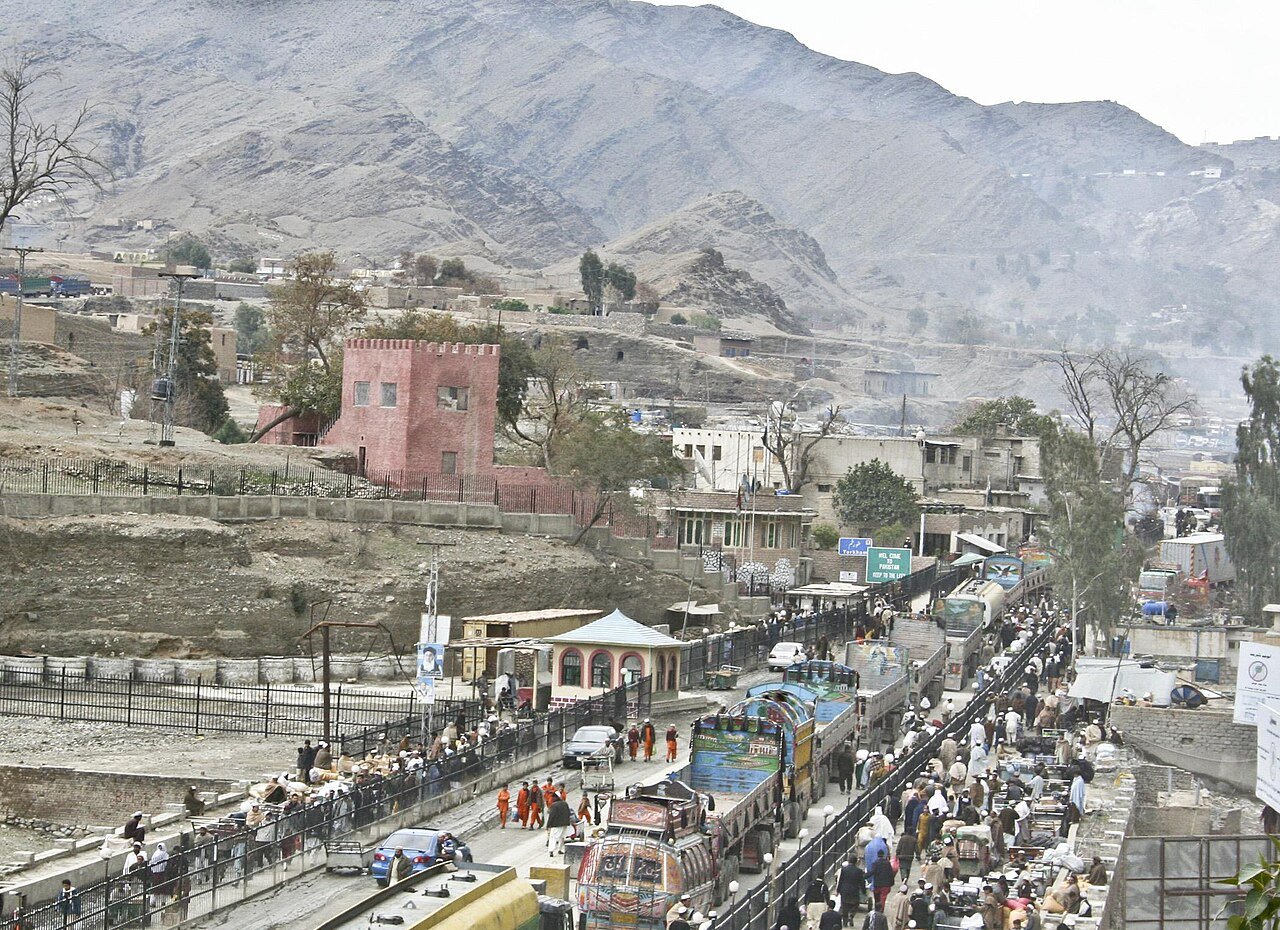
During the 2025 border closure, BBC journalists approaching Torkham saw loaded trucks, deserted terminals, and closed shops. Other reports described spoiled food. Businesses faced trapped investment and lost income.
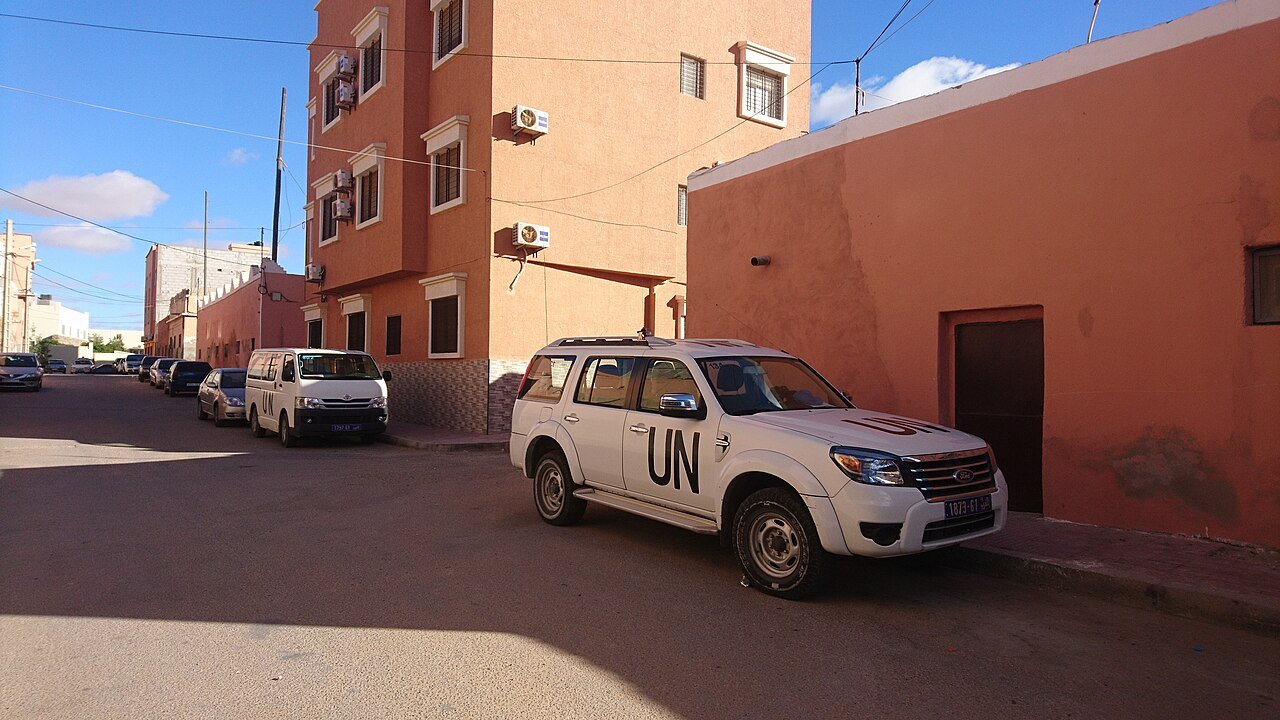
UN agencies have reported displacement and civilian harm. Damage to schools, hospitals, and other facilities has disrupted education and basic services.
Building a lasting peace beyond ceasefires
Lasting peace requires credible, verifiable action against militant groups that Pakistan says use Afghan territory to launch attacks against it. General assurances must be backed by specific commitments, deadlines, and a reliable process for checking compliance.
Both governments should appoint officials to exchange evidence and investigate incidents. Mutually acceptable third-party monitors could help resolve disputed findings.
Despite their positions on the Durand Line, both countries should agree on practical border-management procedures without requiring an immediate settlement of the boundary dispute.
Restoring legitimate trade and transit routes would support livelihoods and give both countries a stronger economic interest in peace.
Pakistan needs protection from militant attacks. Afghans need protection from military escalation and respect for sovereignty. Lasting peace requires practical arrangements that address both concerns — and survive the next crisis.