Gaza’s wounded and disabled depend on Rafah medical facilities for treatment, prosthetics, and vital equipment and medicine. Israel’s coalition talks, the U.S.-Iran war, and regional deals now dominate the headlines. As they do, the human-rights abuses Palestinians endure and the funding and accountability that gain public attention risk slipping out of view.
Gaza’s half-open Rafah crossing brings little relief to Palestinians wounded or disabled by war, many of them children, as regional upheaval risks eclipsing their suffering.
Netanyahu's camp won 53 of the Knesset's 120 seats to 48 for Eisenkot's bloc, while Arab-led parties took a record 19. Eisenkot, recommended by parties holding 67 seats, has until Dec. 6 to build a coalition, with a possible two-week extension.
In Gaza, the coalition arithmetic is followed street by street. “You hear it everywhere: you go into a shop, a café, people sitting on the street,” said Mohammed Abu Mousa, a radiology technician from Khan Younis. “It's followed closely in Gaza.”
He told Atlas Broadcasting that many people hope a new government will move ahead with U.S. President Donald Trump's peace plan, which he described as including a gradual Israeli withdrawal, the entry of banned goods and the start of reconstruction.
“We know they're all bad, but we're with the least bad,” he said of the plans, repeating a line he attributed to Arab-Israeli politician Ahmad Tibi.
But more than a year into the ceasefire, those interviewed for this story say the toll on the wounded, the sick, and people living with disabilities has barely eased and risks being ignored as the attention on the region shifts.
A valve, not a lifeline
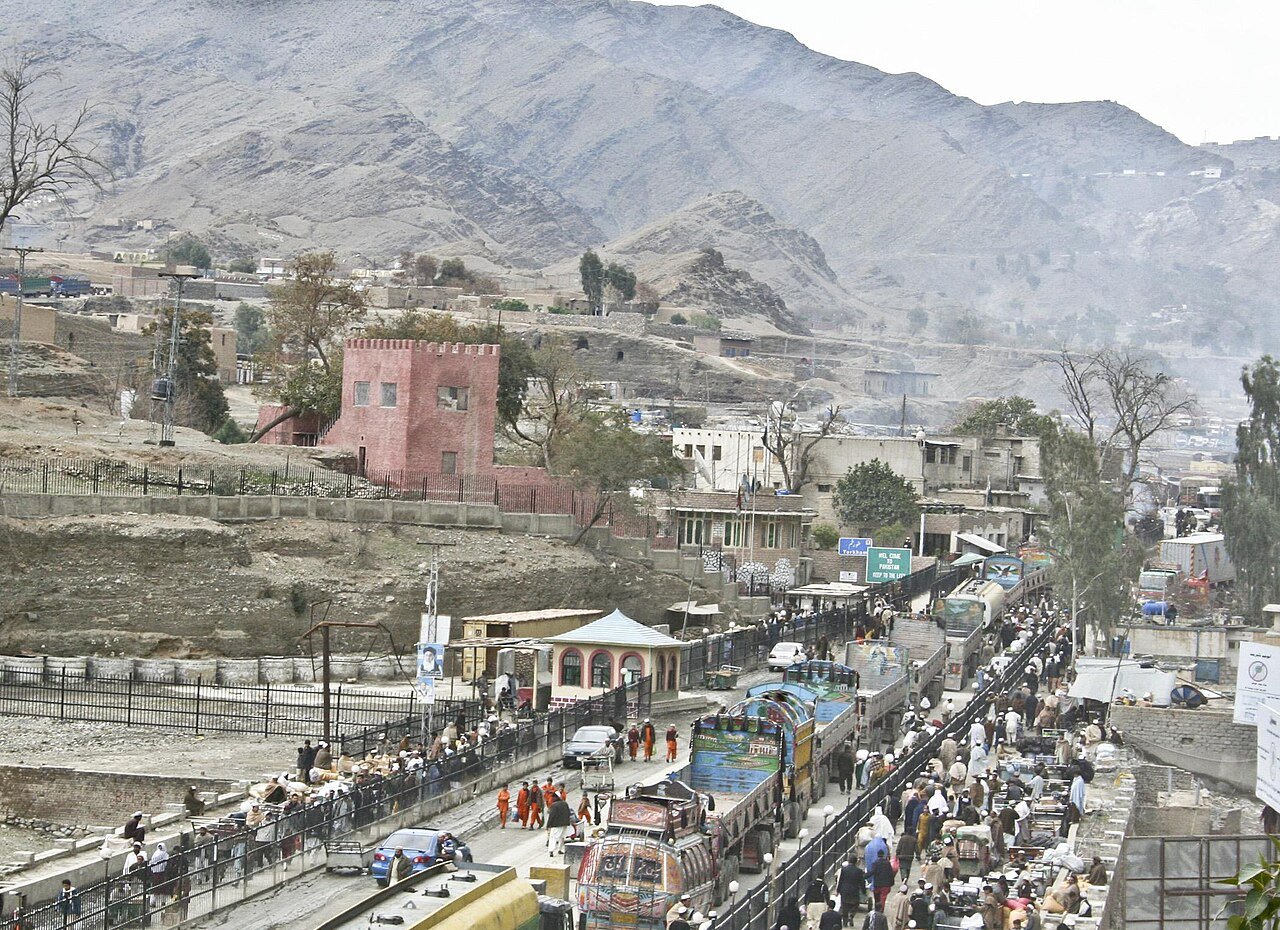
The Rafah crossing with Egypt reopened in a limited form in the beginning of February. “Some relief, yes. Meaningful relief at the scale of the need, no,” said Jaser Abu Mousa, Mohammed’s brother and a senior fellow at the Middle East Institute based in Washington, DC. “A crossing that opens a few days a week for a dozen patients is a valve, not a lifeline.”
About 3,056 patients and wounded people have been evacuated since then, according to the Palestinian Ministry of Health; roughly 2,614 of them through Rafah, while more than 20,000 are still waiting to cross the border for medical care. The crossing stayed shut for two weeks in mid-October.
"For a cancer patient or a child with kidney failure, a closure of two weeks is not an administrative delay,” Jaser said.
Mohammed said that, to his knowledge, there is only one CT scanner from central to southern Gaza, and patients can wait two months for a scan. During the war, he said, staff members were forced into a kind of triage: "This patient we can work on, and this one we can't, so we leave him, and he dies."
Shatha Abusrour, an advocate from the Palestinian Disability Coalition, said in a Zoom interview that contacts in Gaza tell her shooting and shelling have eased, but that what makes life almost impossible “is still almost there.” People with disabilities, she said, “have less access to distribution points, less access to resources, less access to information.”
Killed during a ceasefire
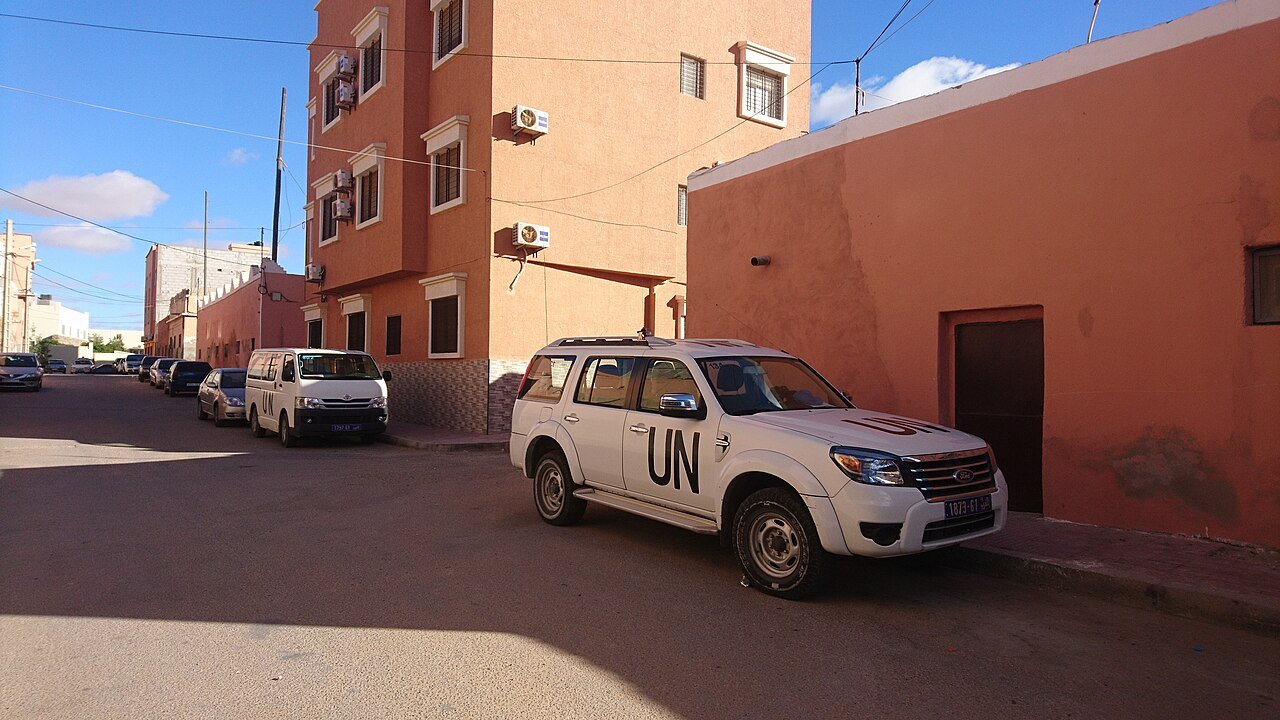
" The most basic violation is that people are still being killed during what is called a ceasefire," Jaser said. More than 1,400 Palestinians have been killed since Oct. 10, 2025, according to the United Nations. Its Human Rights Office independently verified over 1,000 of those deaths by the end of July.
Israel, which controls the crossings and most of the territory, “bears primary responsibility under international humanitarian law,” Jaser said. Hamas, the Islamist military and political movement, is accountable too, he added, and the governments that guaranteed the ceasefire “are accountable for enforcing it, not only for announcing it.”
For Abusrour, the root violation is the denial of self-determination. “If you have no control over that, then you will lose control over almost everything in your life,” she said. The “first and foremost entity that must be held accountable” is the Israeli “settler colonial project and any country that is supporting this project,” she emphasised.
Mohammed was at work at Nasser Hospital on Oct. 15, 2023, eight days into the war, when an airstrike hit his family’s home in Khan Younis. His 7-year-old son, Yousef, was among the dead brought in, along with Jaser’s wife and two of his sons.
“I used to see the cases coming in, children Yousef’s age, and for me, it was a nightmare that I might see one of my own children in a similar scene, and it happened,” Mohammed said.
He was detained in February 2024, four months after Yousef was killed. Mohammed was held for 20 months at the Sde Teiman camp and in Ofer and Negev prisons, where he was accused of working with Hamas. He was never charged. Mohammed described “the torture and the interrogation [he] went through.”
The torture, detailed in a testimony submitted to PCHR, included beatings, dog attacks, fractured ribs, and a broken jaw during transfers. Mohammed said his weight fell from 105kg (231 pounds) to 74kg (163 pounds.) On his release on Oct. 13, 2025, he learned his mother and sister had been killed that July.
Children who hide their pain
Gaza now has more child amputees per capita than anywhere in the world, according to UNICEF, and the World Health Organization estimates that about 42,000 people have life-changing injuries, one in four of them a child.
“Children outgrow a prosthesis every six to 12 months," Jaser said. “In Gaza today, boys and girls are walking on limbs that no longer fit, with crutches that are breaking, in tent camps built on sand where a wheelchair cannot move.”
Abusrour said people with disabilities, including children, have lost or been unable to repair or replace hearing aids, wheelchairs and glasses, while children with autism or intellectual disabilities have faced bullying in shelters. One family with several disabled children, she said, had to choose whom to take when forced to flee and lost contact with the child left behind in a school.
She recalled interviewing a blind girl of about 7, displaced to a camp, who had lost her Perkins Brailler. Asked how she felt, the girl said it was “ordinary.” Some children, Abusrour said, “hide what they really feel, or they don't know how to express it.”
Care that does not reach
Asked whether Palestinians with disabilities are receiving adequate care, Jaser answered: “No.”
According to a WHO assessment, no rehabilitation facility in Gaza was fully functional and only 502 of 2,277 amputees assessed had been fitted with a prosthesis, with just eight prosthetists working on people in the entire Strip.
Visible, yet unseen
Mohammed said the U.S.-Iran war “contributed greatly to pulling the spotlight away from Gaza.”
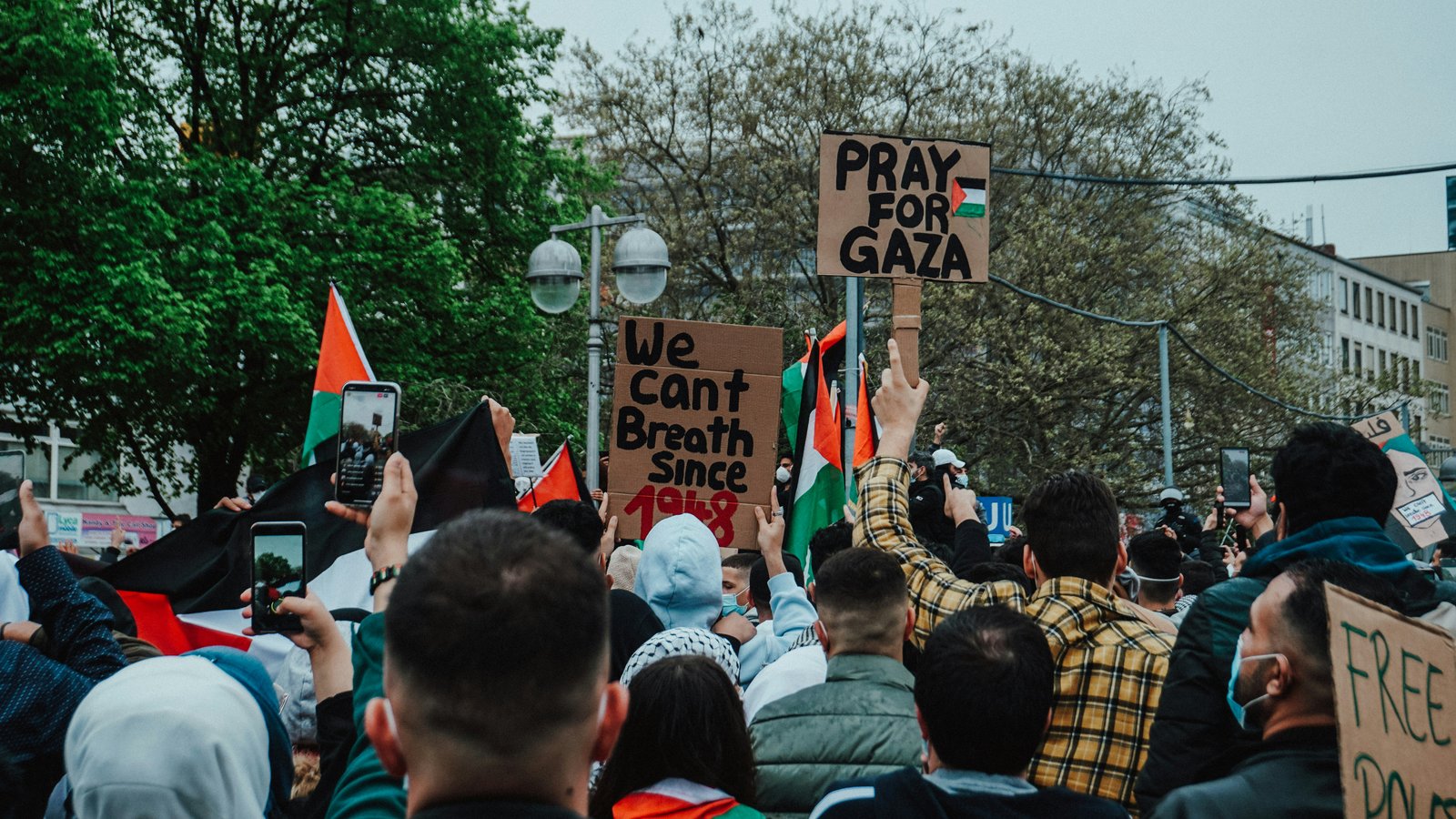
"The risk is not that Gaza disappears from the news. It is that Gaza stays in the news while its people disappear from it," Jaser said, pointing to October's World Food Programme cuts, which removed half a million people from monthly food assistance.
Abusrour said Palestinians already feel left behind and that the risk extends beyond humanitarian aid to, above all, their political rights.
The test of the ceasefire, Jaser said, “is what has changed for a child in a tent, waiting for a prosthesis that fits, a crossing that opens and a school that has a place for her. By that test, the work has barely begun.”