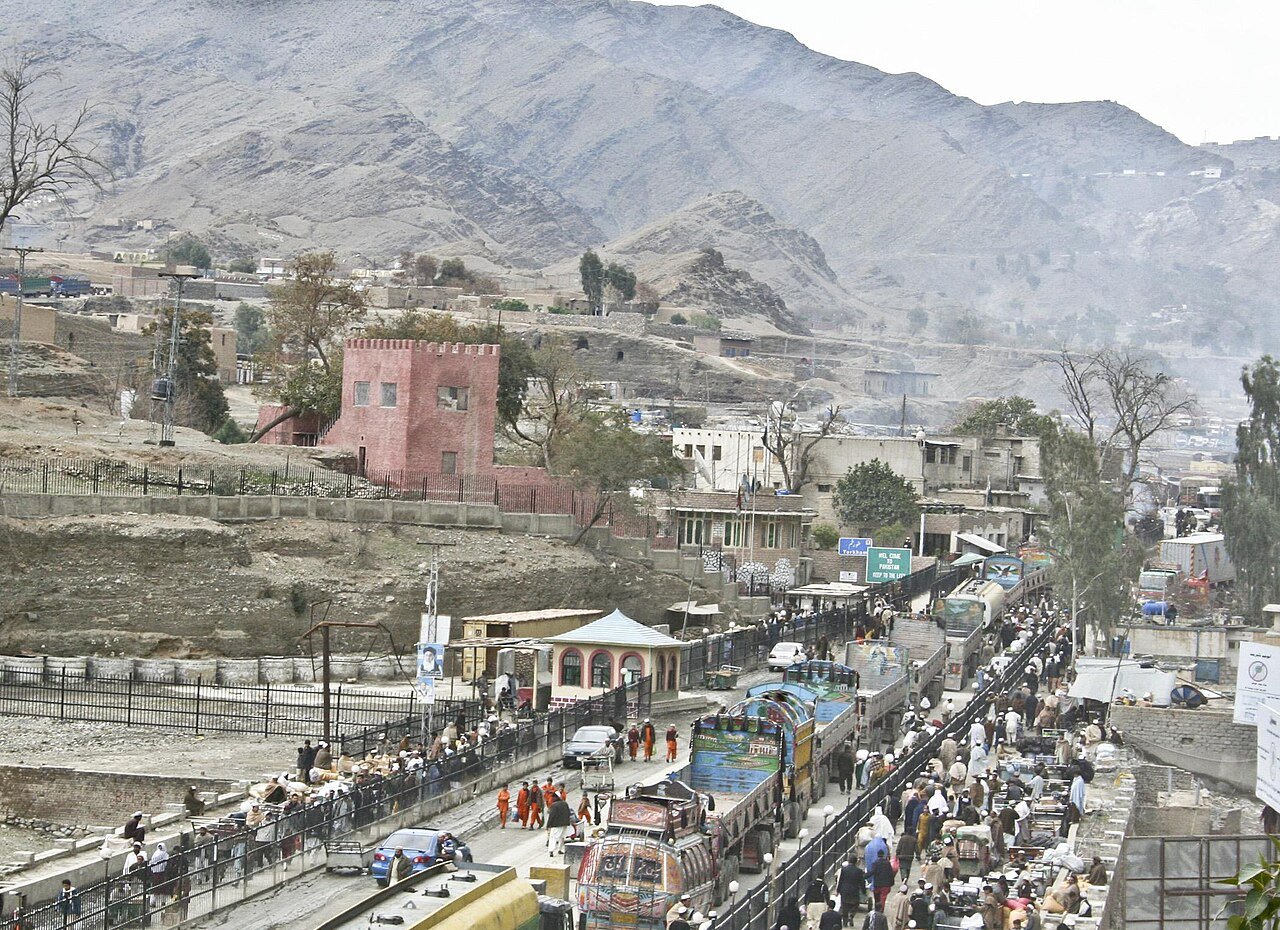
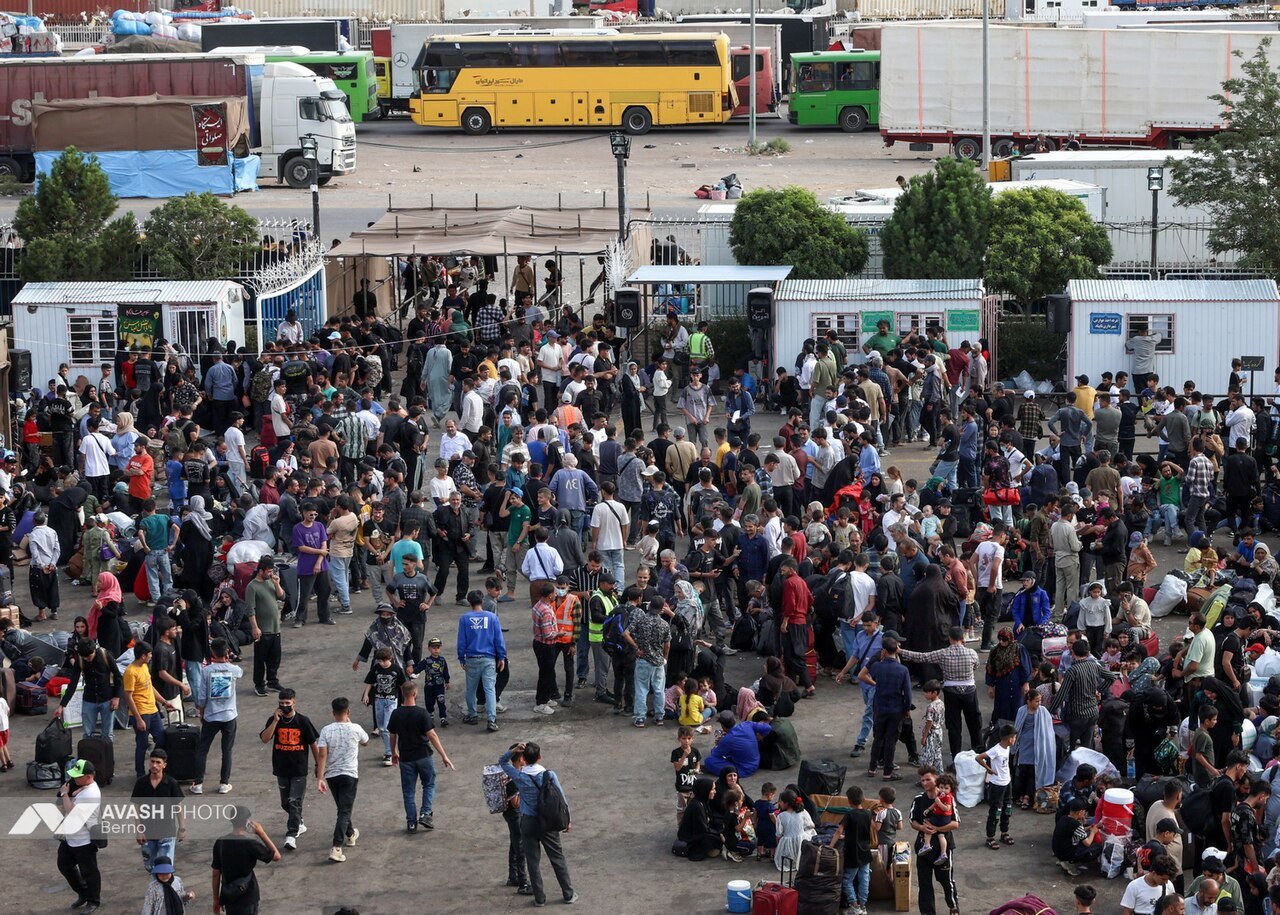
In 2025, more than 1.26 million Afghan nationals were deported from Iran, according to the UN refugee agency. This figure highlights the scale of forced returns at a time when many of those deported face serious human rights risks in Taliban-ruled Afghanistan. Amnesty International Canada reported that at least 546,000 Afghans, including 5,000 unaccompanied or separated children, were deported from Iran between June 1 and July 10, 2025. At the same time, following the outbreak of hostilities between Iran and Israel in June 2025, reports emerged of Afghan nationals being arrested on suspicion of espionage and cooperation with Israel. These developments matter because an uncertain immigration status should not deprive people of the right to a fair trial or protection against return to a place where they face serious risks.
The 12-day conflict between Iran and Israel, which began on June 13, 2025, took place against a backdrop of Afghan migrants being deported from Iran for several months. As the security climate intensified, reports emerged of increased arrests, espionage allegations against Afghan nationals, and a rise in deportations. On July 4 of last year, UN experts expressed concern over the arrest of hundreds of people, including Afghan nationals, on suspicion of collaboration or espionage, and warned of the risk of rushed trials. These developments raise two related questions: Were security allegations against some migrants examined in accordance with the right to a defence and a fair trial? And were people being returned to Afghanistan assessed before deportation for potential risks and their individual circumstances?
Espionage Allegations and the Right to a Fair Trial
Following the outbreak of hostilities, Iranian officials and state-affiliated media raised allegations that some Afghan nationals had cooperated with Israel. In a report published on July 30, 2025, Amnesty International stated that at least five Afghan nationals had been arrested since June 14 on suspicion of spying for Israel. According to the organisation, state media had broadcast the forced confessions of at least four of them. Amnesty International described the allegations as unsubstantiated.
An espionage allegation does not, in itself, establish guilt. Broadcasting confessions before a final verdict has been issued can also raise concerns about public prejudice and respect for the presumption of innocence, particularly when it is unclear whether those detained had independent access to legal counsel and whether their confessions were made voluntarily.
Under the note to Article 48 of Iran’s Code of Criminal Procedure, in certain cases involving crimes against internal or external security and organised crimes covered by Article 32 the choice of lawyer during preliminary investigations is restricted to a list of lawyers approved by the head of the judiciary. However, publicly available information does not show that this restriction was specifically applied in the cases of Afghans arrested on suspicion of espionage. The key question is whether those detained had effective access in practice to independent legal representation.
Iran is a party to the International Covenant on Civil and Political Rights, and its obligations under the Covenant are not limited to Iranian citizens. Article 2 requires states to guarantee the rights set out in the Covenant to all individuals within their territory and subject to their jurisdiction, without discrimination. The UN Human Rights Committee has also emphasised in General Comment No. 15
that these rights generally apply to foreign nationals. Article 9 protects against arbitrary arrest and detention, while Article 14 guarantees, among other things, the presumption of innocence, adequate time and facilities to prepare a defence, and the right to communicate with legal counsel of one's own choosing.
Deportation and the Risk of Forced Return
The deportation of Afghan migrants from Iran was already under way before the June 2025 war, including after the expiration of certain residency documents and the announcement of deadlines for returning to Afghanistan. According to figures from the United Nations High Commissioner for Refugees (UNHCR), around 1.26 million Afghans were deported from Iran in 2025. About 373,000 of them occurred in July of last, the highest monthly figure in the previous three years.
The heightened security climate during the war coincided with increased pressure on migrants. However, deportations had already been taking place, and the entire increase cannot be attributed to the war alone. Rising figures, by themselves, also do not show whether regulations or enforcement practices changed.
The issue is not only how many people have been deported, but also the conditions they face after returning. The report Haven, published by the United Nations Assistance Mission in Aghanistan (UNAMA) in July 2025, examines the human-rights risks facing certain groups of people returned to Afghanistan. The report is based on 49 interviews with people who had been returned to Afghanistan against their will. Five of those interviewed had been returned from Iran. UNAMA stresses that this sample is not representative of all returnees. However, its findings point to risks including arbitrary detention, torture, and ill-treatment for certain groups.
Article 33 of the 1951 Refugee Convention prohibits member states from returning refugees to a territory where their life or freedom would be threatened on grounds such as race, religion, nationality, membership in a particular social group, or political opinion. The UN Human Rights Committee has also stated in paragraph 12 of a General Comment No. 31 that states must not transfer individuals to places where they face a real and foreseeable risk of irreparable harm. This protection is not limited to people with formal refugee status or residency documents. Risk assessments must therefore be based on each person's individual circumstances, rather than solely on their nationality or possession of residency documents.
A report by Zan Times about Safia, an Afghan woman who sought refuge in Iran with her children in 2018 to escape her husband's violence, illustrates the human consequences of deportation. After being returned to Afghanistan, Safia expressed fear of her husband, who later became a Taliban commander in Herat. She also faced difficulties finding shelter and providing for herself and her children.
Deportations Continue in 2026
The deportation of Afghan migrants did not stop when the 12-day conflict in 2025 ended. This year, as a new round of hostilities began on Feb. 28, the return of Afghans from Iran continued on a large scale. According to UNHCR figures, more than 547,000 Afghans had been deported from Iran to Afghanistan between the beginning of 2026 and Oct. 24. This figure relates to 2026 and should be distinguished from the deportation figures for 2025.
The continuation of deportations during both periods of conflict highlights the vulnerability of Afghan migrants to security developments and return policies.
Consider Habiba, a 31-year-old Afghan woman who had gone to Iran to escape Taliban rule and continue her education. She was studying for a master’s degree in engineering and was close to graduating. She had only her thesis left to complete when she was deported in July 2025.
“I was so close,” she told Reuters.
She was forced to return to the very country she had once left behind to give herself a chance of a better future.
Now, under Taliban rule, where women are barred from attending university, she may never get the opportunity to complete her degree or find a job that matches her education and skills.
Many other Afghan women face the same risk: forced to give up their education, hopes for work they enjoy, and the chance to build an independent life.
Espionage allegations, arrests, and large-scale deportations have highlighted the vulnerability of Afghan migrants in Iran during periods of heightened security tensions. Governments have the right to investigate security threats, but this authority should not result in people being denied a fair trial or returned without an assessment of the risks they may face individually.
Fundamental rights, including the right to a defence and the principle of non-refoulement, should not depend on a person's nationality or immigration status.